Exhibits
The Signature Curatorial Framework
The Wrong Questions Project's signature curatorial framework is a modular system of exhibits that can be installed individually, in combination, or as a fully integrated installation. Each module begins with a victim-blaming question and traces how that question functions to blame survivors and enable violence.
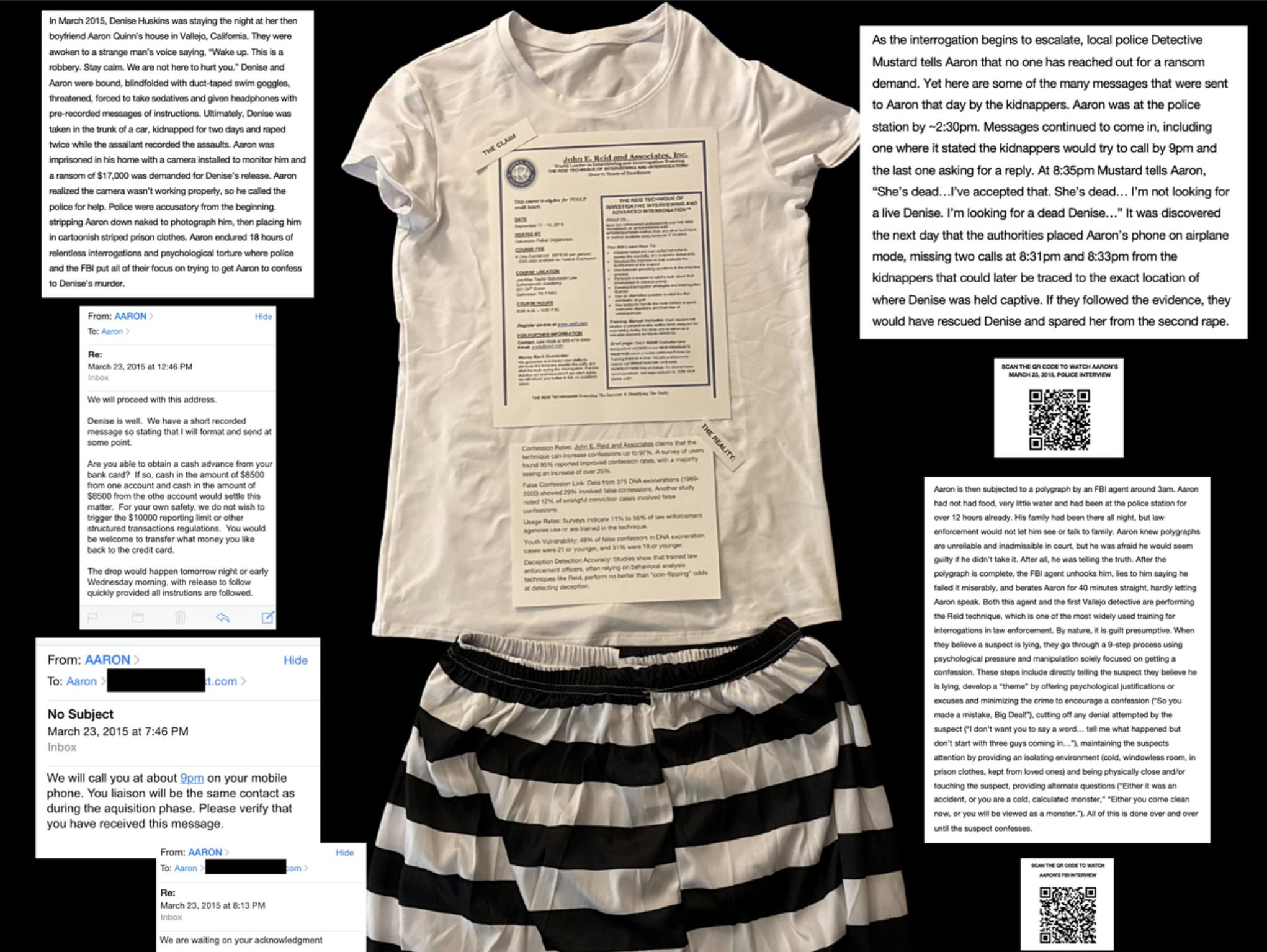
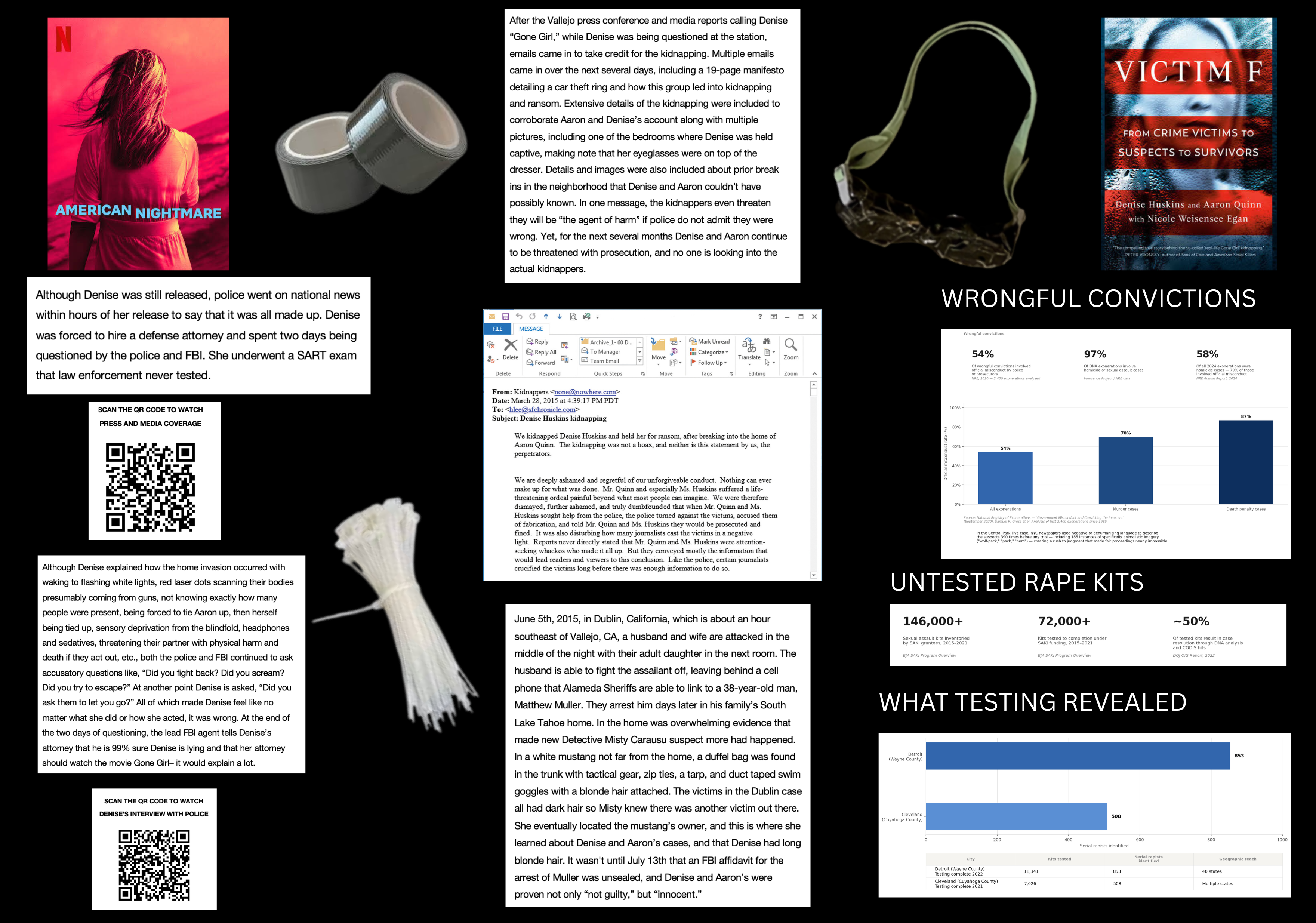
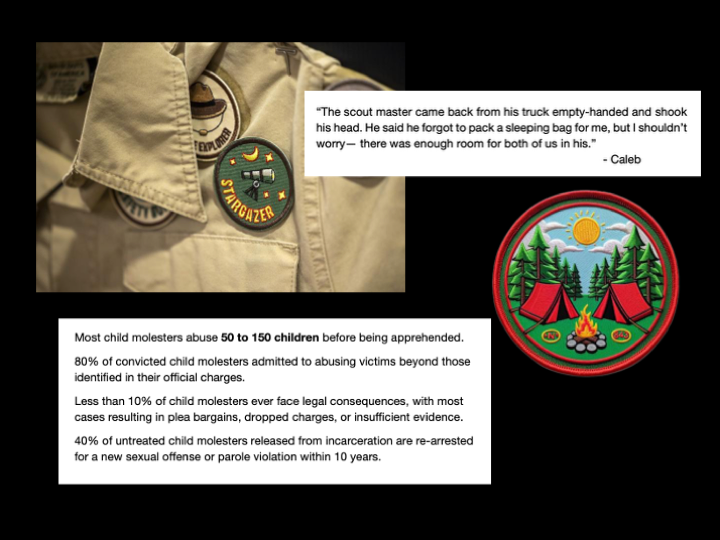
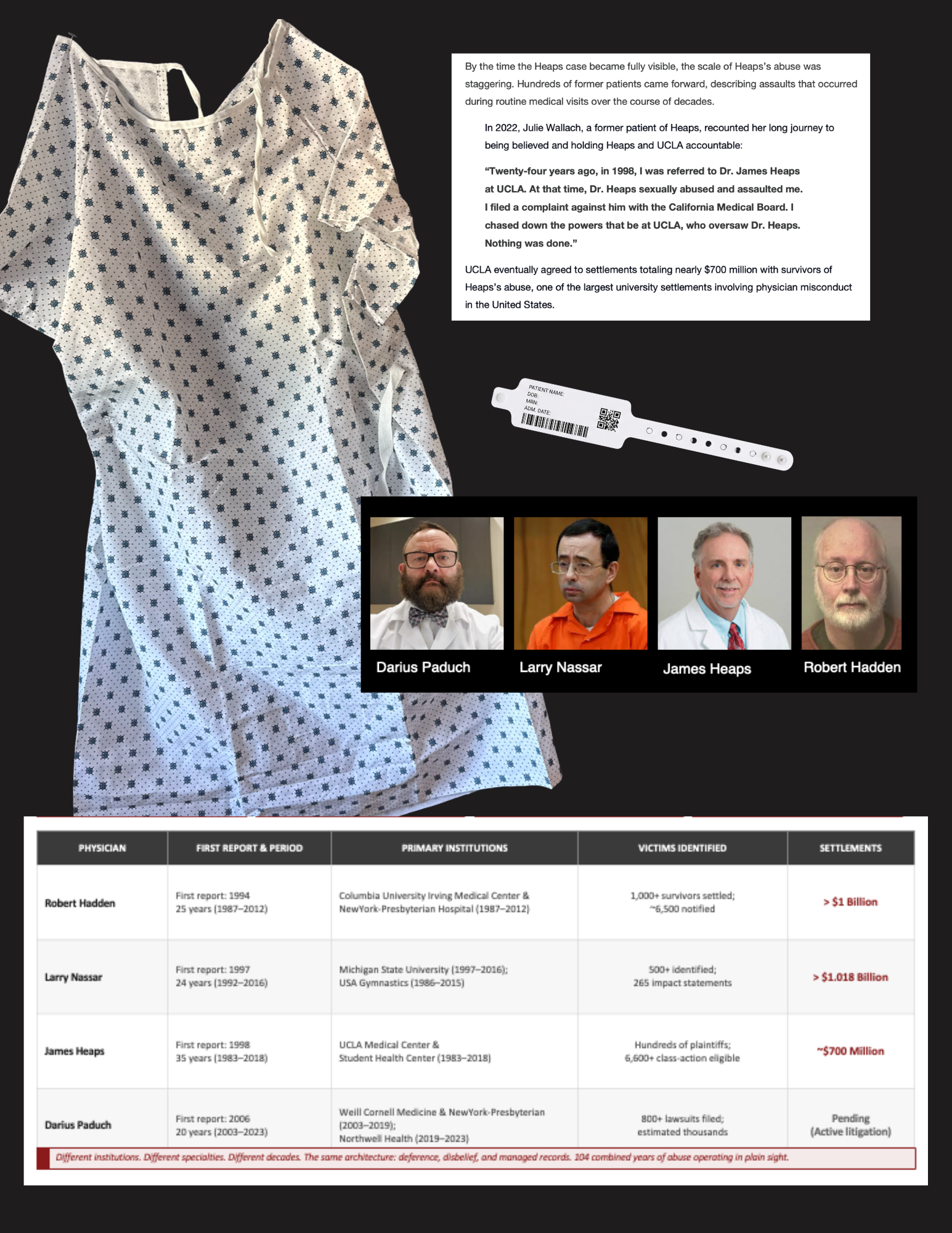
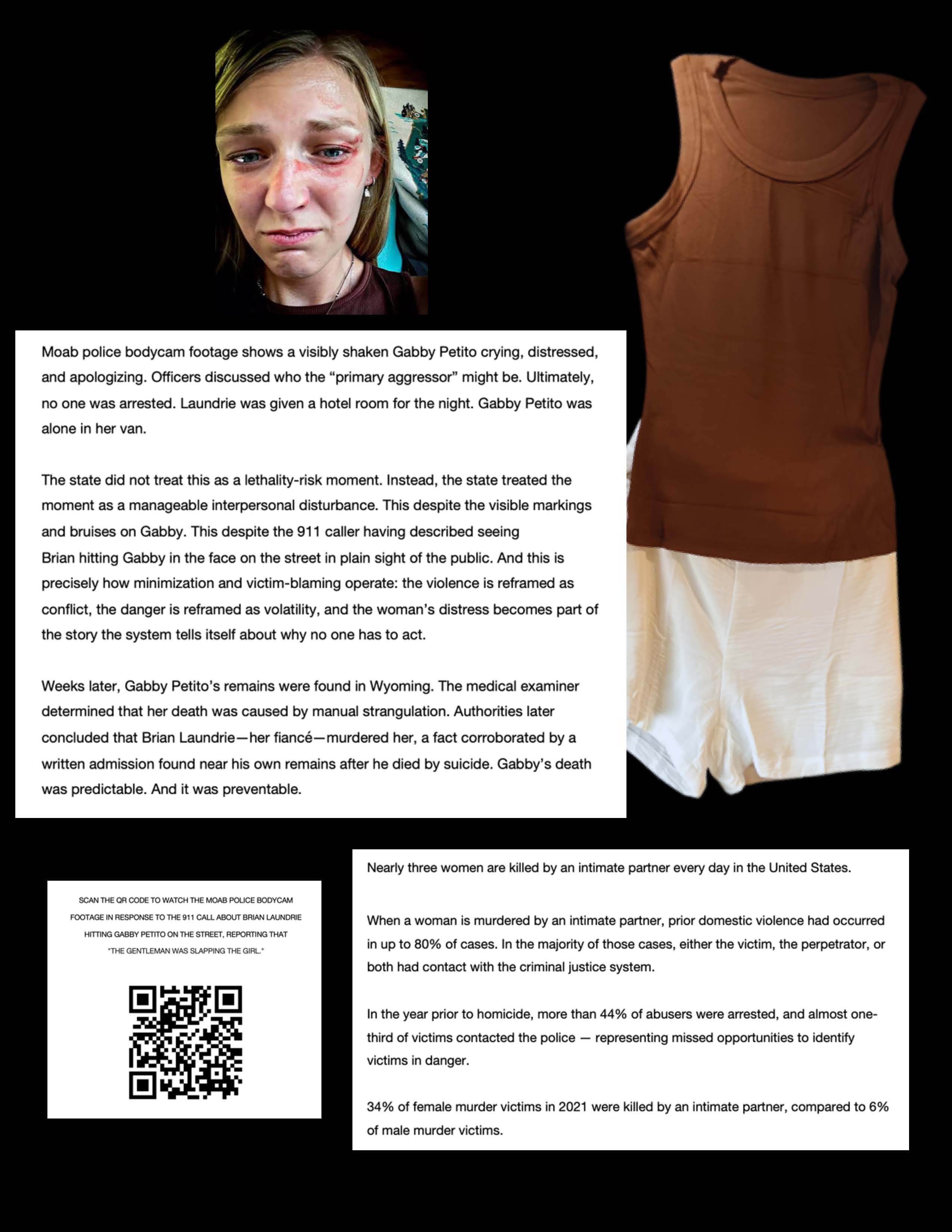
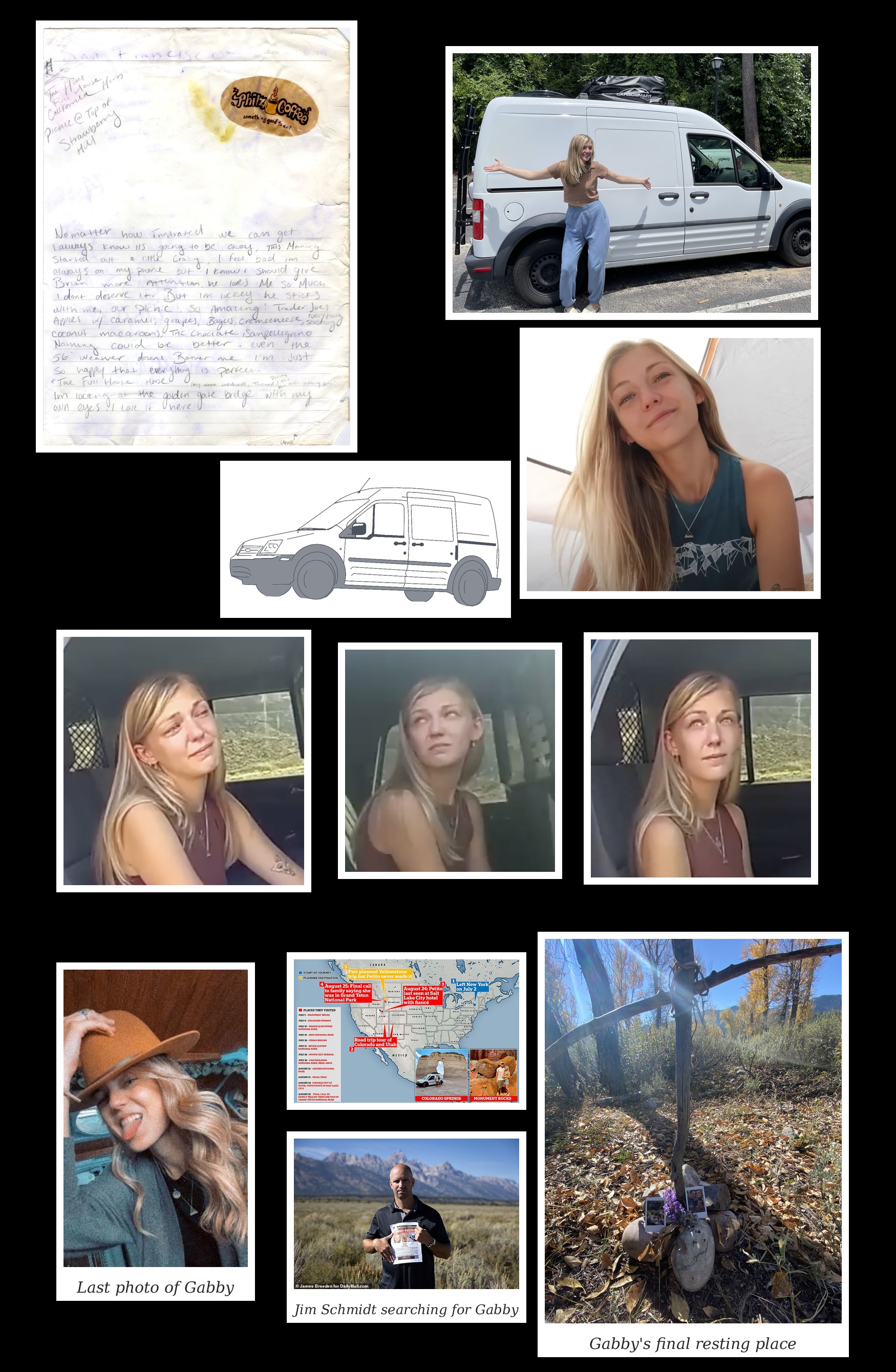
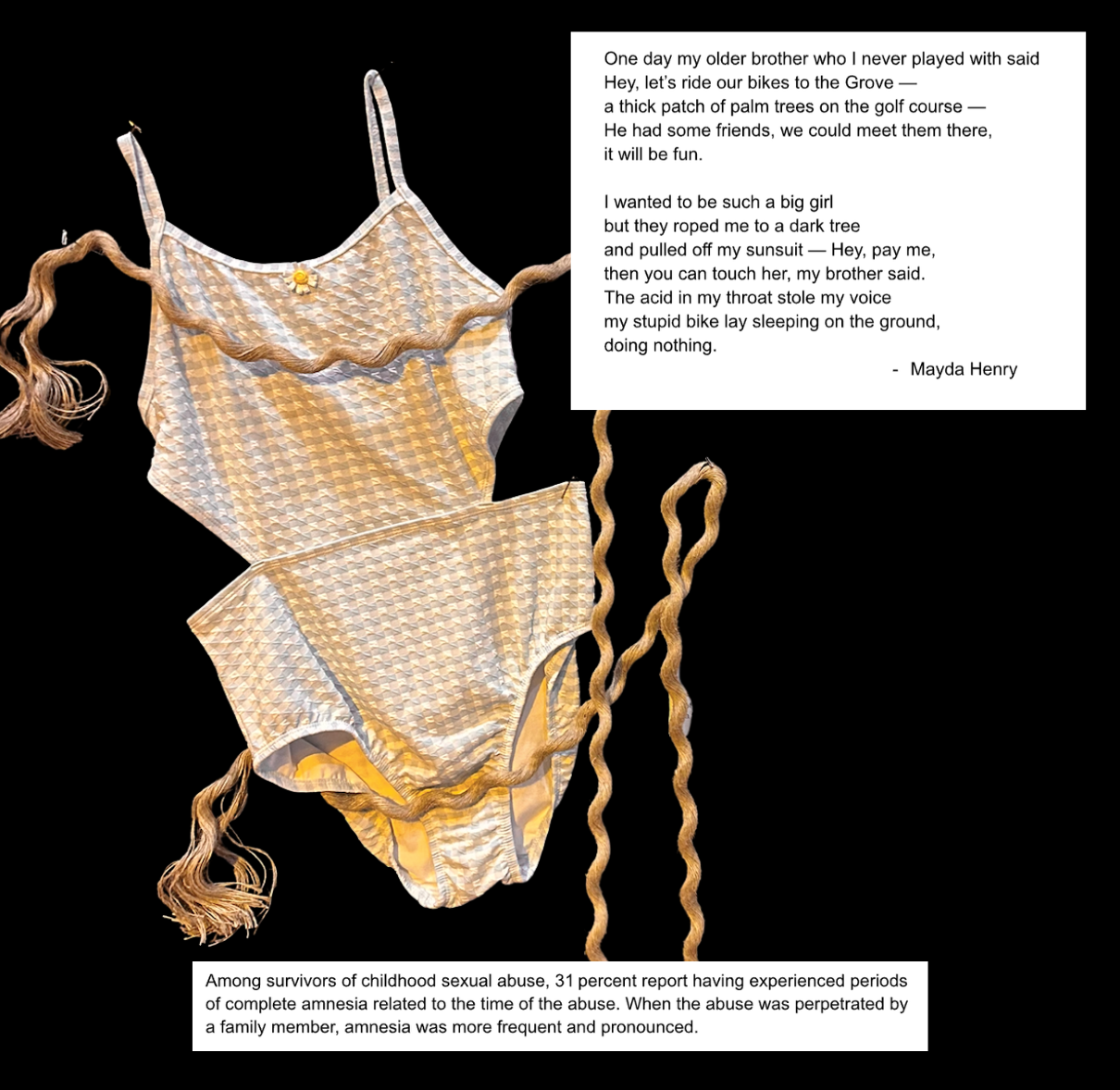
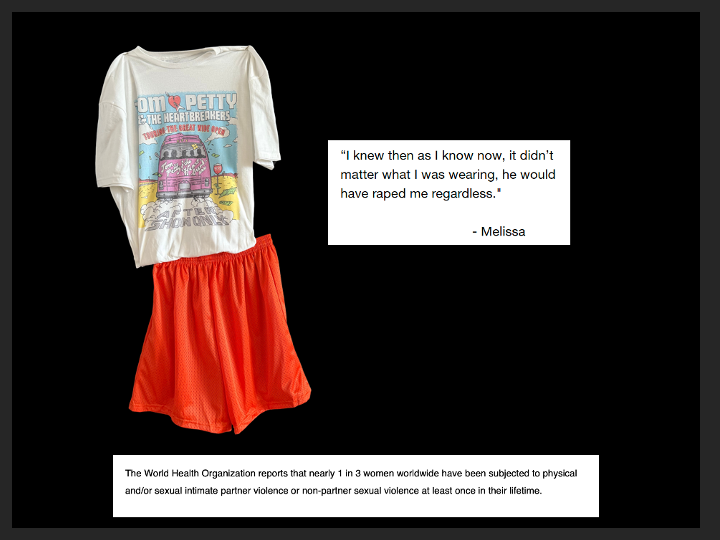
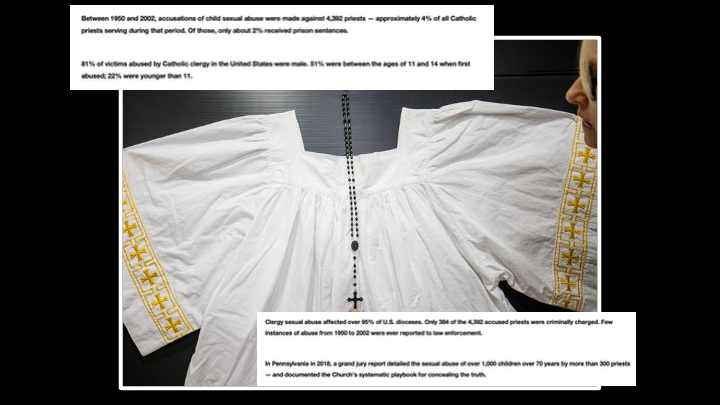
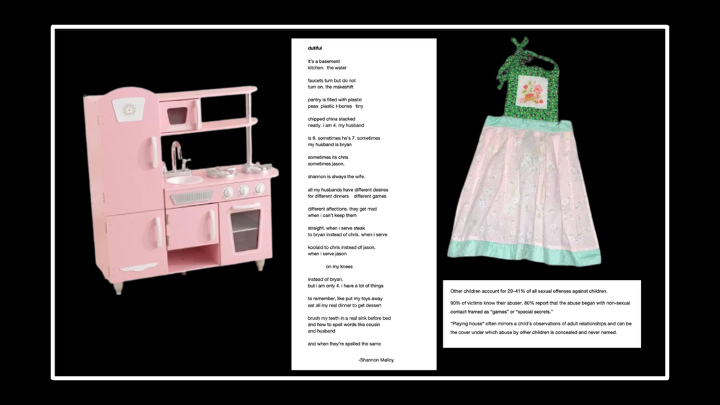
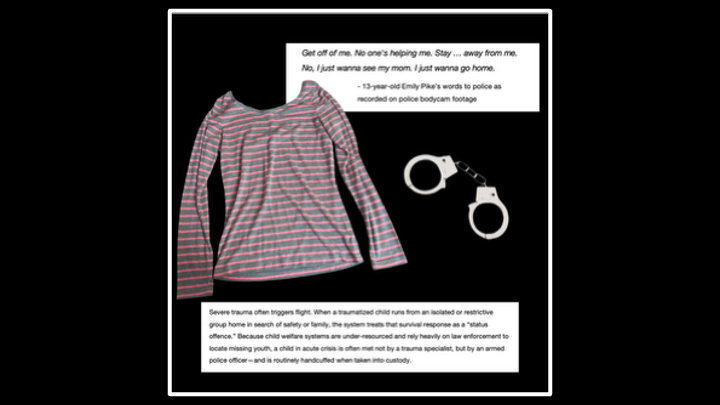
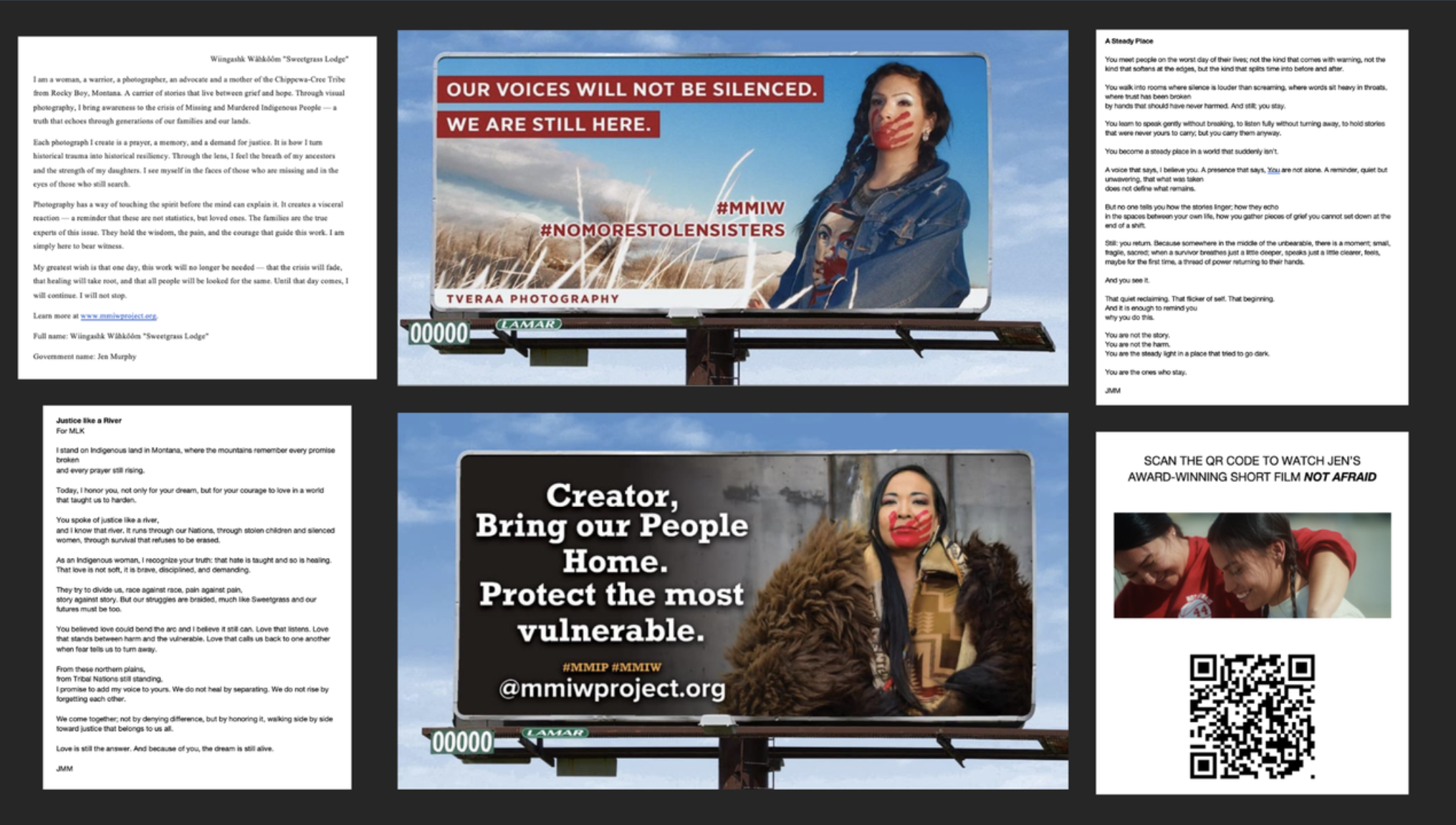
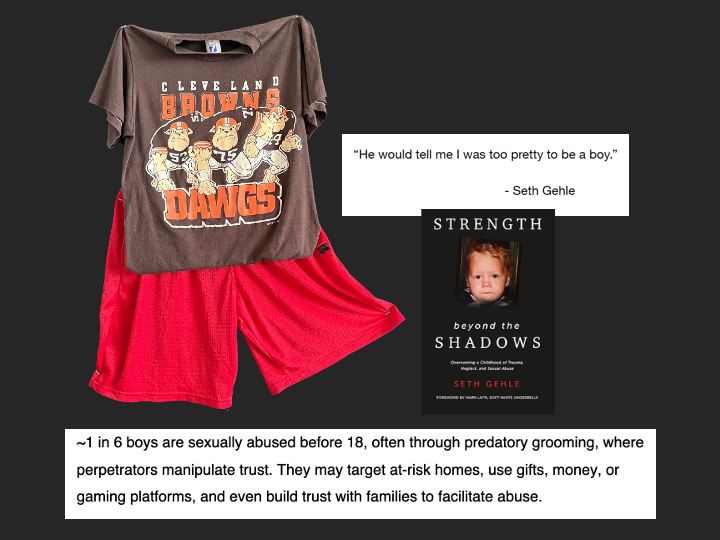
The exhibits are not illustrations of survivor testimony. They are survivor-centred multi-arts documentary works. Clothing, words, objects, statistics, case records, audio, video, testimony, and family witness operate together as artistic and evidentiary materials. Their composition, scale, sequence, spacing, sound, and the viewer's movement through the room make visible what has been normalized, minimized, laundered, and administratively absorbed.
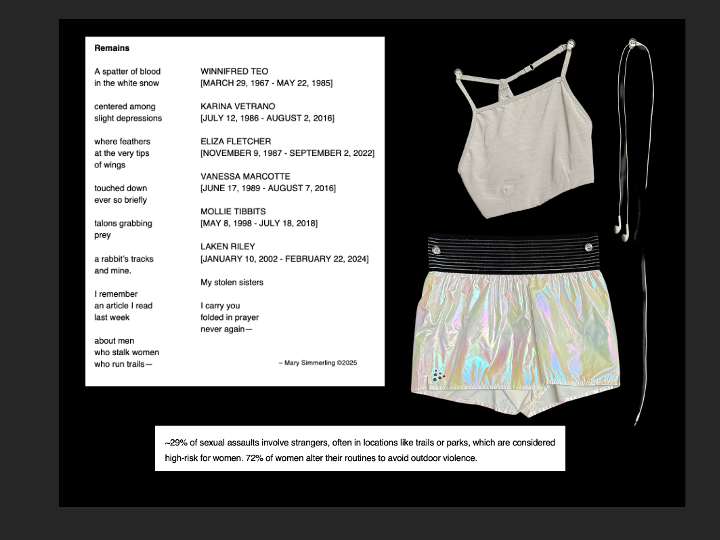
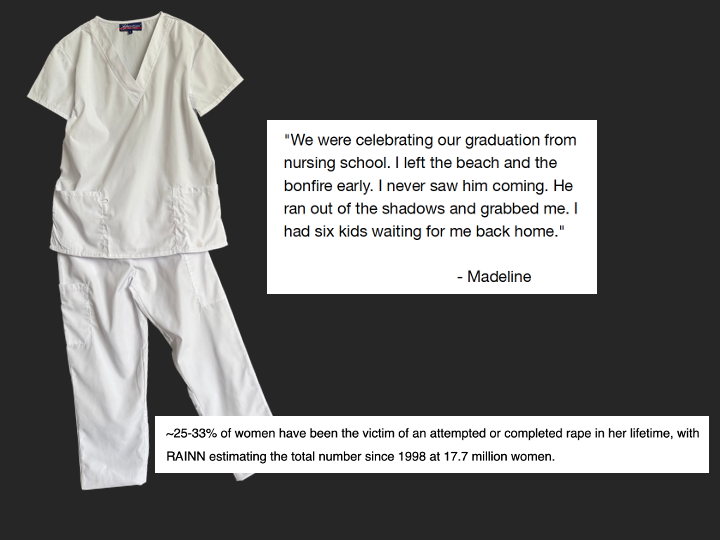
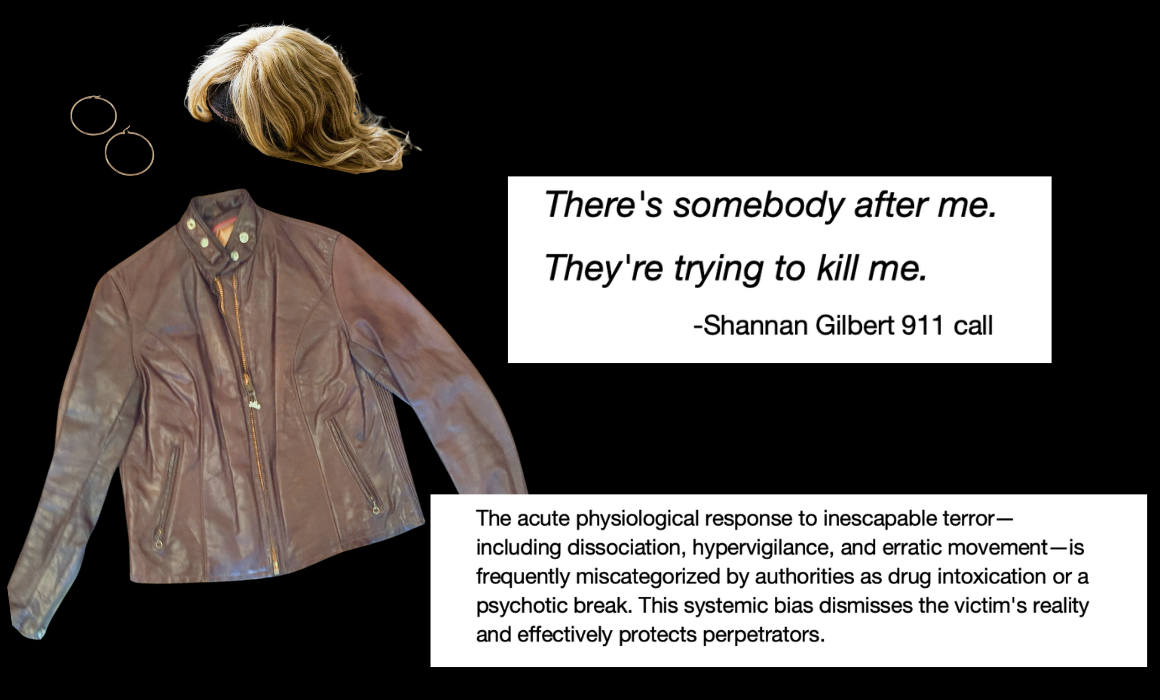
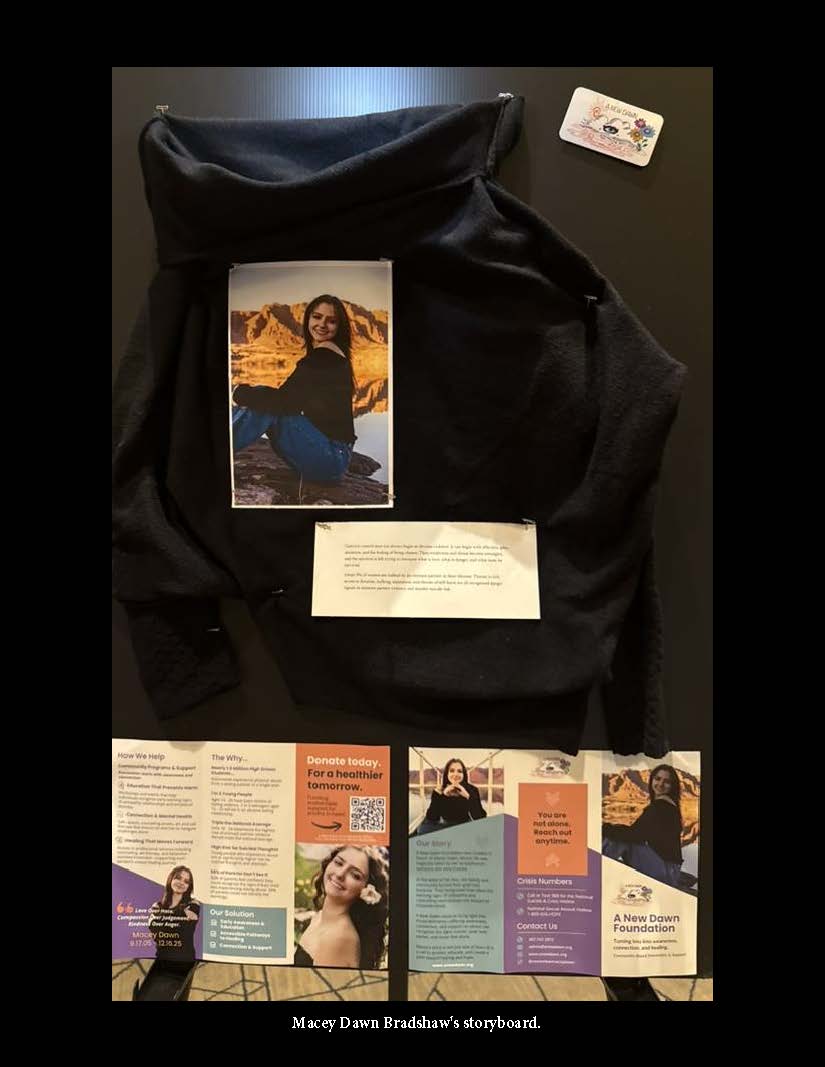
What Were You Wearing?
The Role of Victim-Blaming & Indifference in Facilitating & Perpetuating Gender-Based Crimes
This module confronts how victim-blaming questions treat clothing as explanation for sexual violence. The question redirects scrutiny from perpetrator to victim, making the person harmed answer for violence they did not cause.
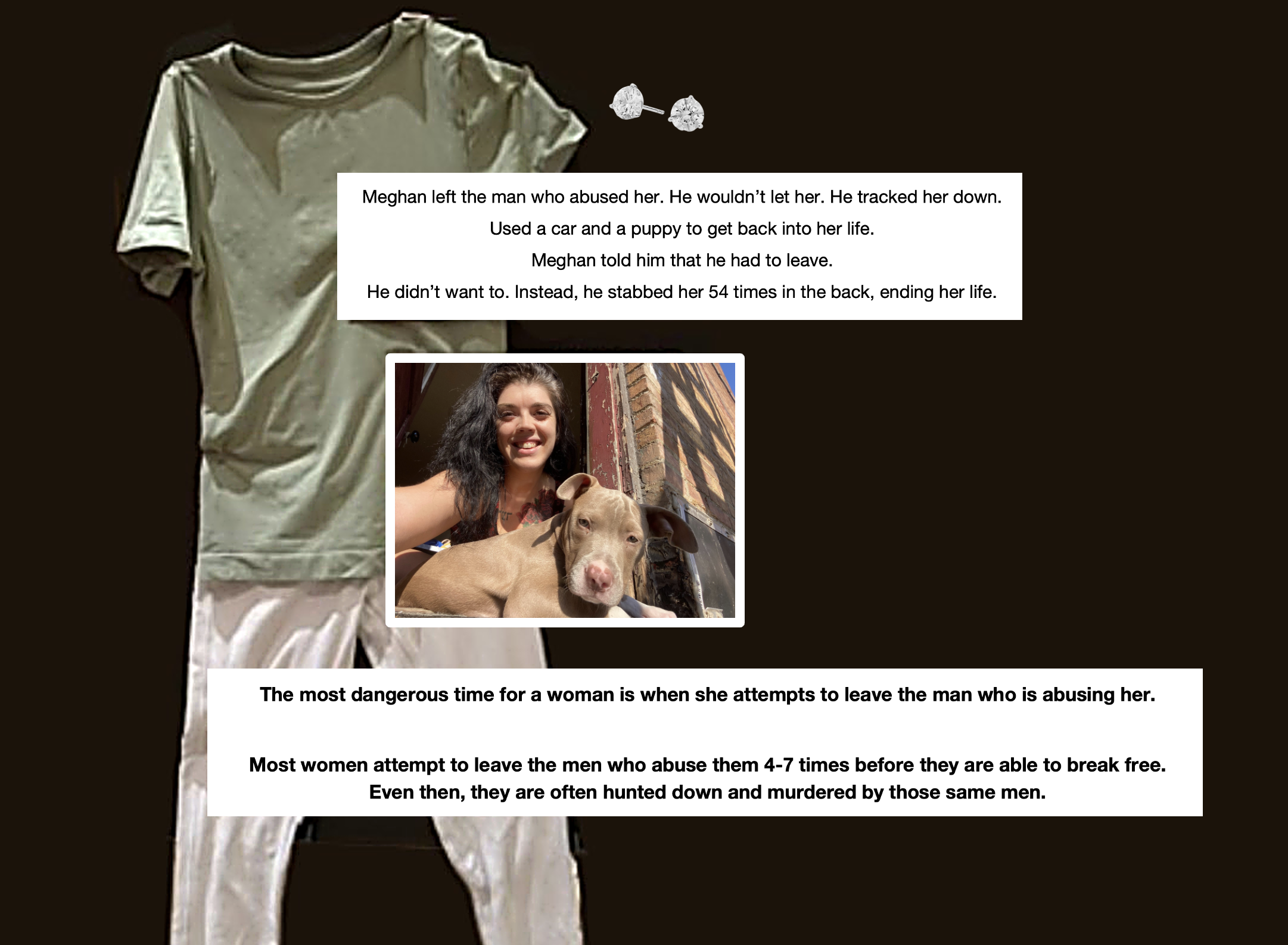
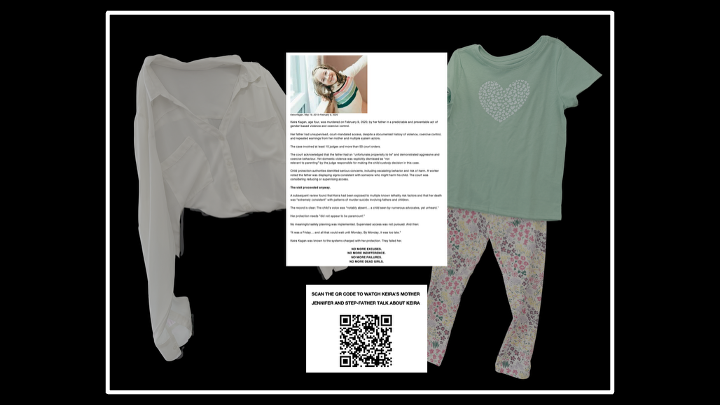
Why Didn't She Just Leave?
Coercive Control through Language
This module dismantles the question that treats leaving as a simple decision. It documents the violence that makes leaving dangerous: coercive control, stalking, threats, surveillance, and institutional failures that leave women unprotected.
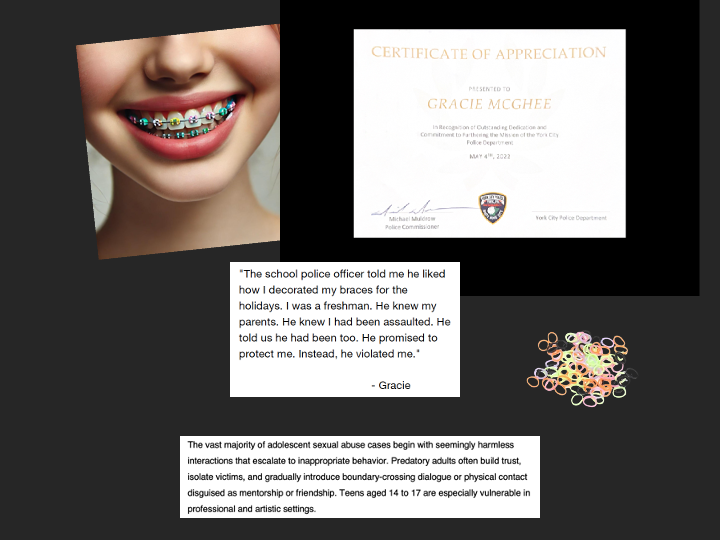
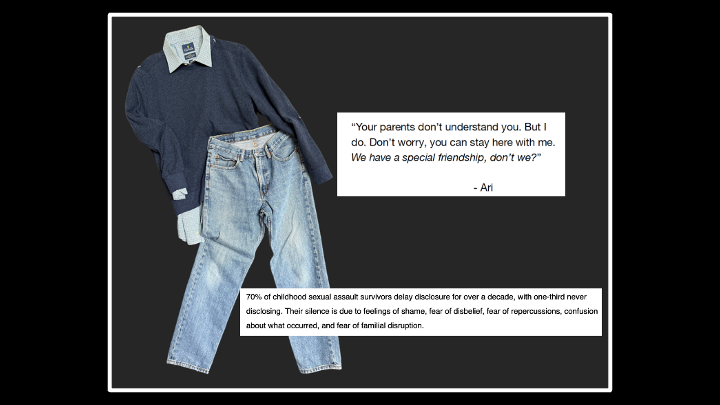
Why Didn't You Just Tell Someone?
Silencing Children
This module examines how the question fails children by treating silence as the problem rather than examining adults, institutions, and systems that failed to listen, recognize, investigate, intervene, or protect.
Why We Use Our Names
We use our own names deliberately, because the shame was never ours to carry. For those of us who choose to be named, naming is an act of reclamation and moral repair. That choice is not a condition of participation. Survivors’ and surviving families’ decisions about naming and privacy remain theirs. An account does not become less specific or less important because its contributor is not publicly identified.
How the Framework Functions
When modules are installed together, they amplify one another and reveal the shared machinery: grooming, coercion, silencing, disbelief, institutional failure, credibility policing, victim-blaming, record-management, and the normalization of harm.
Once these patterns become visible in one setting, they become visible everywhere: in police reports, clergy files, hospitals, schools, family courts, custody decisions, media narratives, and the boardrooms where institutions decide whose accounts will be believed and whose will not.
We use the clothing to take the question apart, not to give it a stage.Read the Full Curatorial Ethics Statement
Content Warning
These exhibit storyboards focus on the lived experiences of survivors of sexual and gender-based violence, as well as those who did not survive. They contain depictions and descriptions of sexual abuse, rape, and domestic violence, including assaults involving minors and the murder of women and children. The materials include representations of clothing worn during assaults, survivor testimony, and direct language about violent and traumatic experiences.
YOU ARE NOT ALONE. SUPPORT IS AVAILABLE.
Copyright & Attribution
Mary Simmerling’s poem “What I Was Wearing” and TWQP’s original written, visual, photographic, audiovisual, and exhibit materials are protected by copyright where applicable. Reproduction or adaptation of protected materials requires permission unless permitted by law. Historical attribution must accurately distinguish the poem, the early installation conception, the first physical installation, and TWQP’s expanded framework. See History & Lineage for these distinct contributions. Contact TWQP about reproduction, adaptation, permissions, and licensing.
Virtual Exhibit: Documentary Video
In collaboration with Write Where We Belong
Gallery: Representative Exhibit Boards